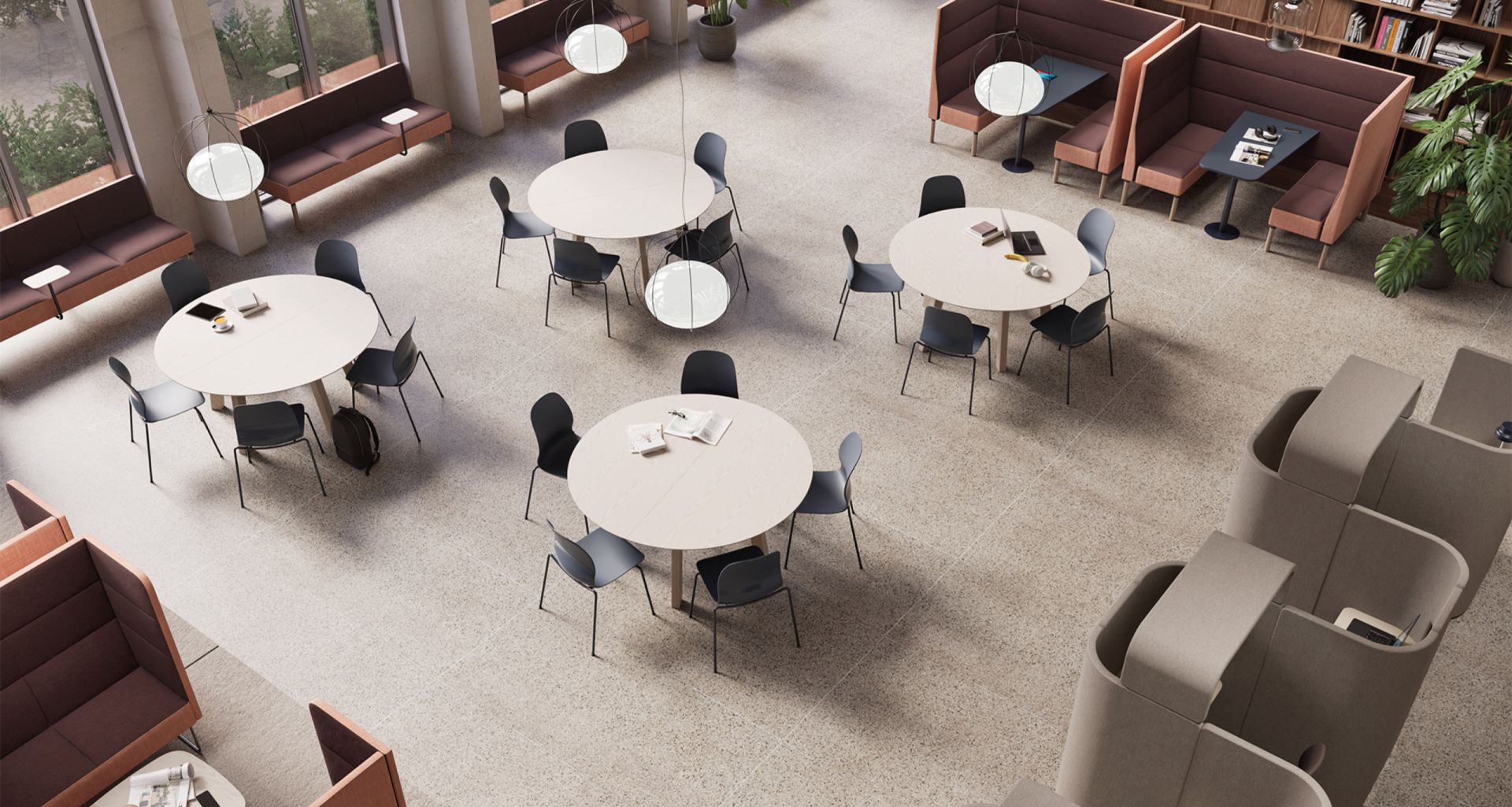
When the Office Becomes a Destination
With the freedom to work from virtually anywhere, what makes the physical office worth visiting? As working habits evolve, expectations of the workplace are changing too. The Destination Office concept is about creating workplaces that people genuinely want to spend time in – places to connect, share ideas, concentrate and grow together. But what does it take to create such spaces? And how can architecture, interior design and furniture design contribute?
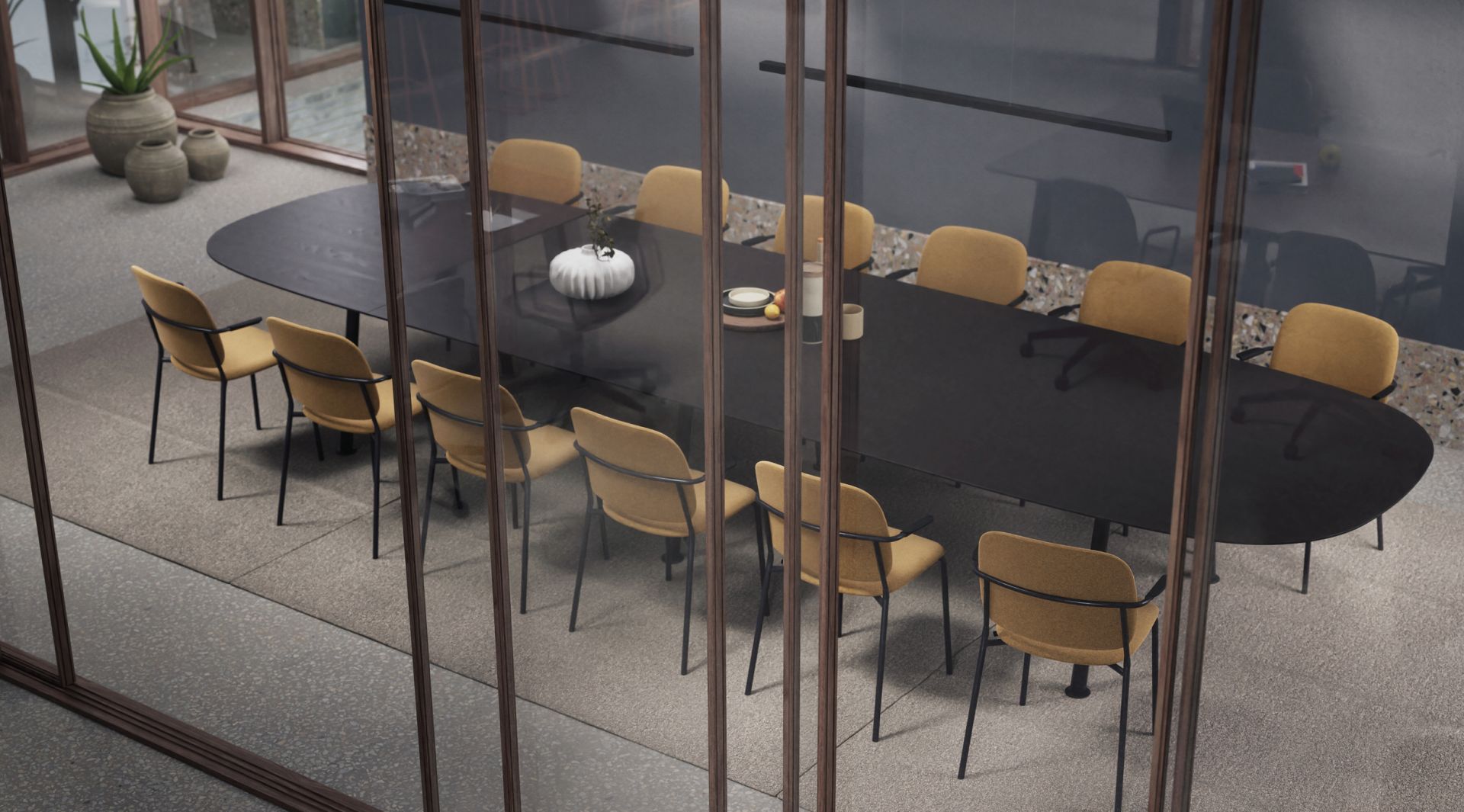
The Bow chair and Continue table create a welcoming setting for meetings, conversation and collaboration.
Rethinking the role of the office
Gensler’s 2026 Global Workplace Survey suggests that office environments have not always kept pace with changing needs. Two in three employees say they make adjustments themselves to make their workplace work better for them. The survey also identifies opportunities for learning, personal connections and wellbeing as important aspects of a positive workplace experience.
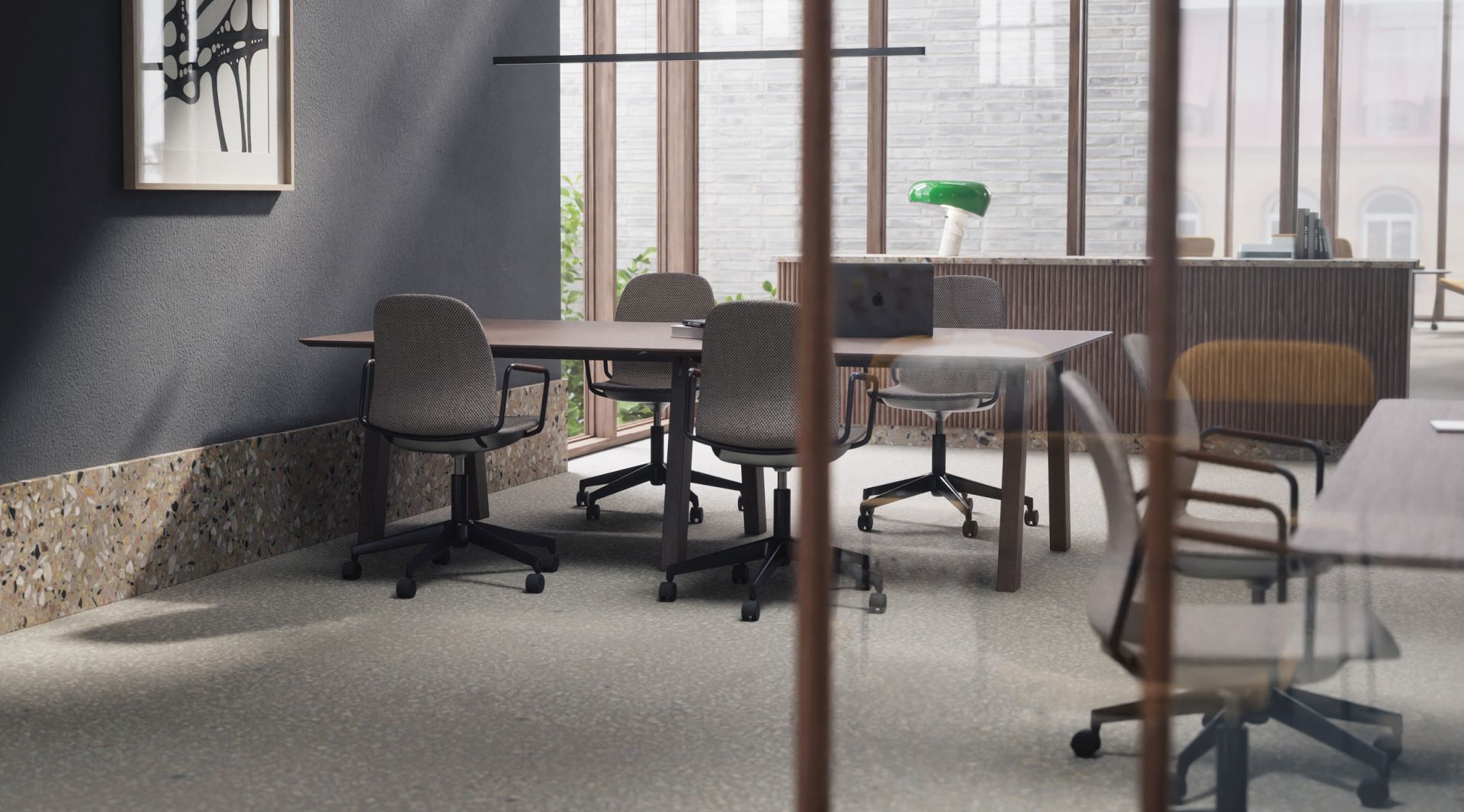
In this open-plan office, the Archie chair and Collaborate table provide a space for teamwork and sharing ideas.
The office is taking on a different role. For organisations, it is becoming an increasingly important setting for collaboration, knowledge sharing and engagement. For employees, its value lies in the sense of community, opportunities to learn and develop alongside colleagues, and having a place where they feel comfortable and can work effectively. An unexpected conversation might offer a fresh perspective. Working on a project together can provide opportunities to learn from one another. And a thoughtfully designed environment can make it easier to concentrate or find inspiration. These are the qualities that give people a reason to return to the office.
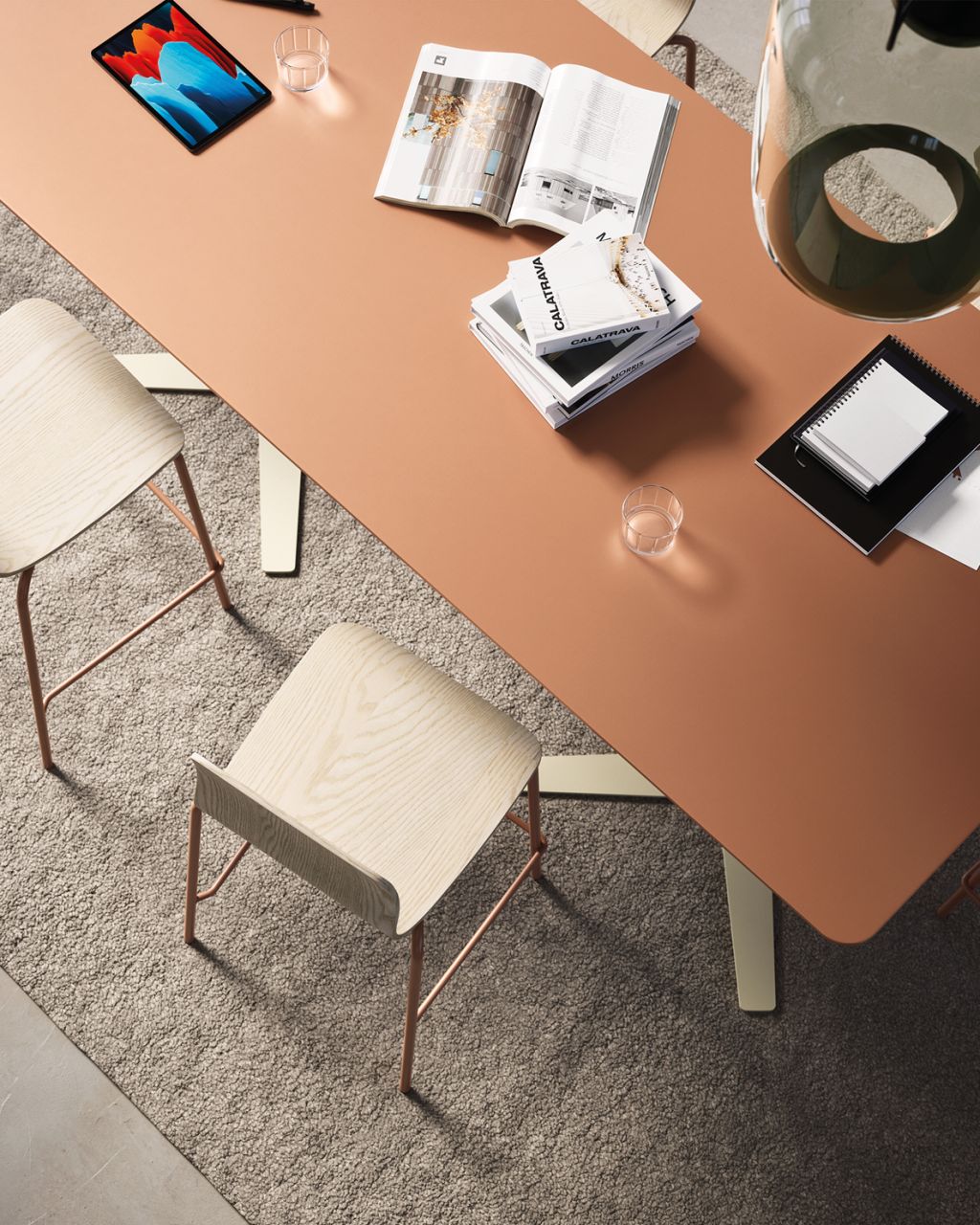
The Nova Bar stool and high Chat table with cross base provide an informal setting for quick catch-ups and spontaneous conversations.
What makes a place worth coming back to?
Consider the places we enjoy spending time in: a café where we meet friends, a library where we can enjoy some peace and quiet, or a public square where people come together. Their appeal goes beyond their practical purpose. The atmosphere matters, as does the experience of being there.
The same principles can inform the way we design offices. What kinds of interaction do we want to encourage? Where can people go when they need some privacy? How do we create spaces that inspire curiosity and make people feel welcome?
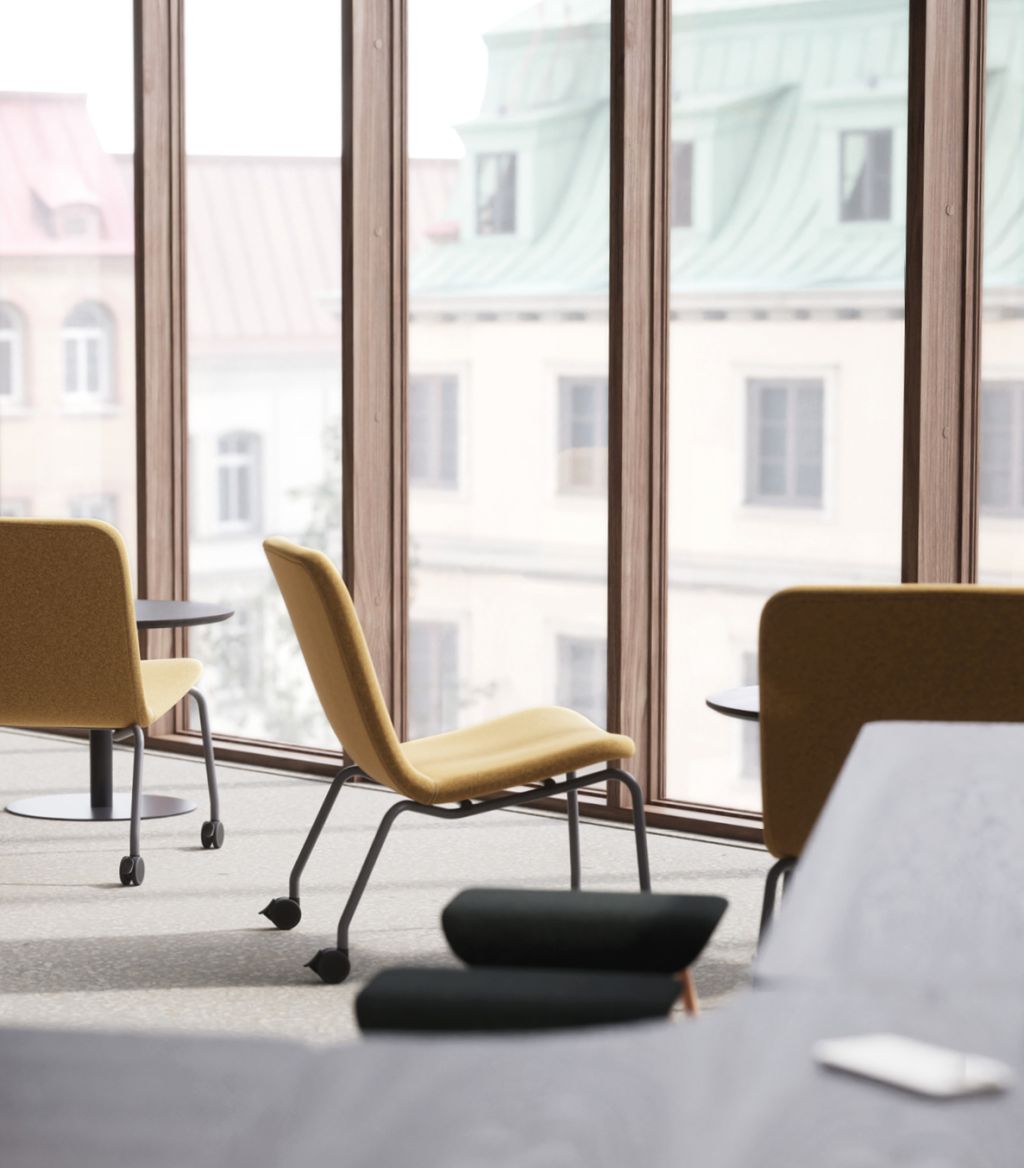
Hybe is a versatile lounge chair on castors, making it easy to move between different spaces and activities.
Creating a distinct sense of place is an important part of this process. Giving different areas of the office their own character and purpose allows the workplace to offer a variety of experiences. Much like the different neighbourhoods of a lively city, these spaces can complement one another while remaining part of a coherent whole.
Architecture that encourages interaction
Office layout can influence how colleagues meet and communicate. A review of 20 research studies found that physical proximity between colleagues influences opportunities for conversation and spontaneous encounters.
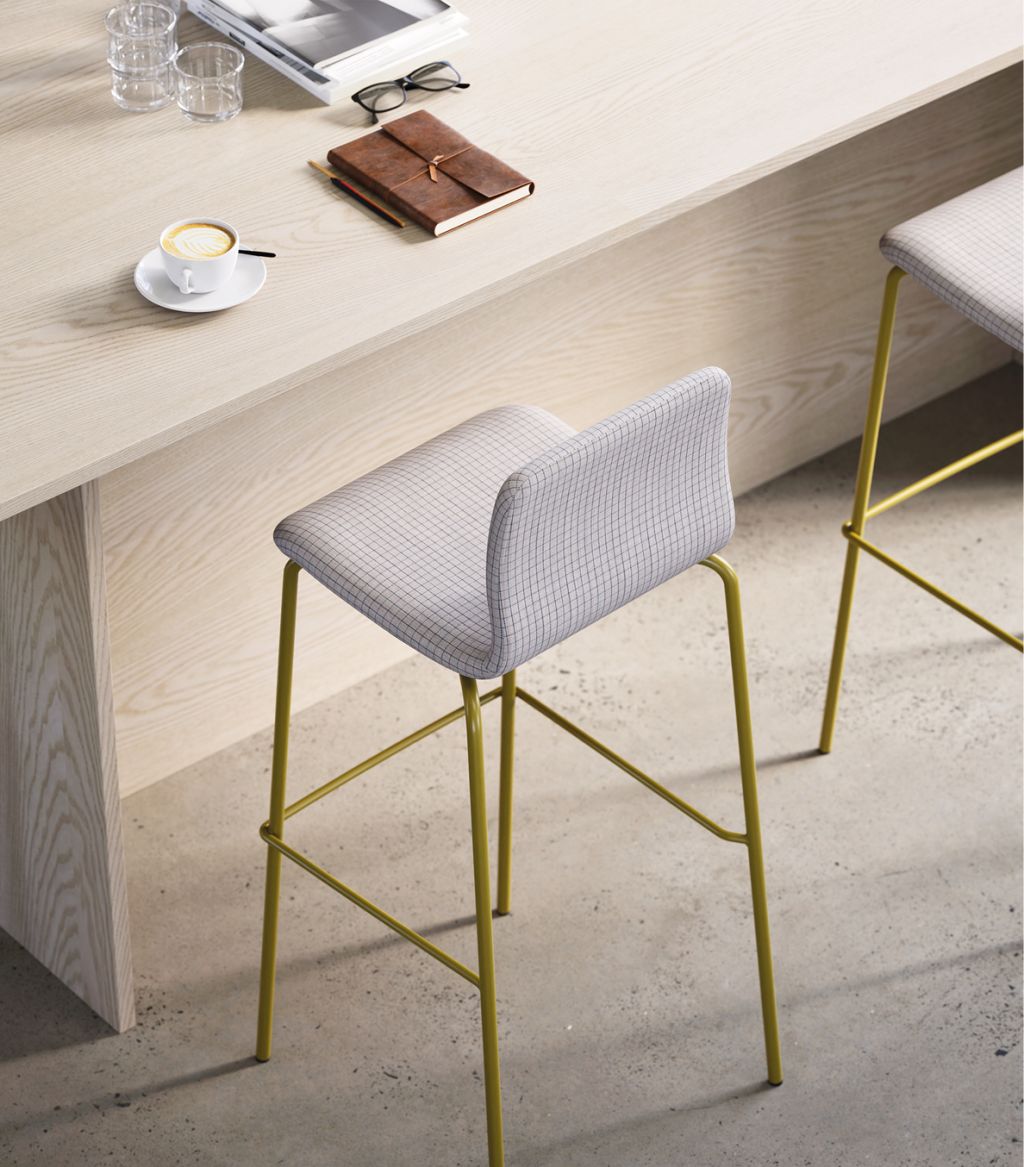
With its upholstered seat, Nova Bar offers comfortable seating at high tables, where colleagues can stop for a coffee or an impromptu conversation.
This makes the arrangement of spaces, and the connections between them, particularly relevant. A shared gathering area positioned along a frequently used route, for example, can create more opportunities for colleagues to meet. Corridors, informal seating areas and other places where people pass through or pause can all encourage spontaneous exchanges during the working day. Even the journey from one activity to another can become part of the social experience of the office.
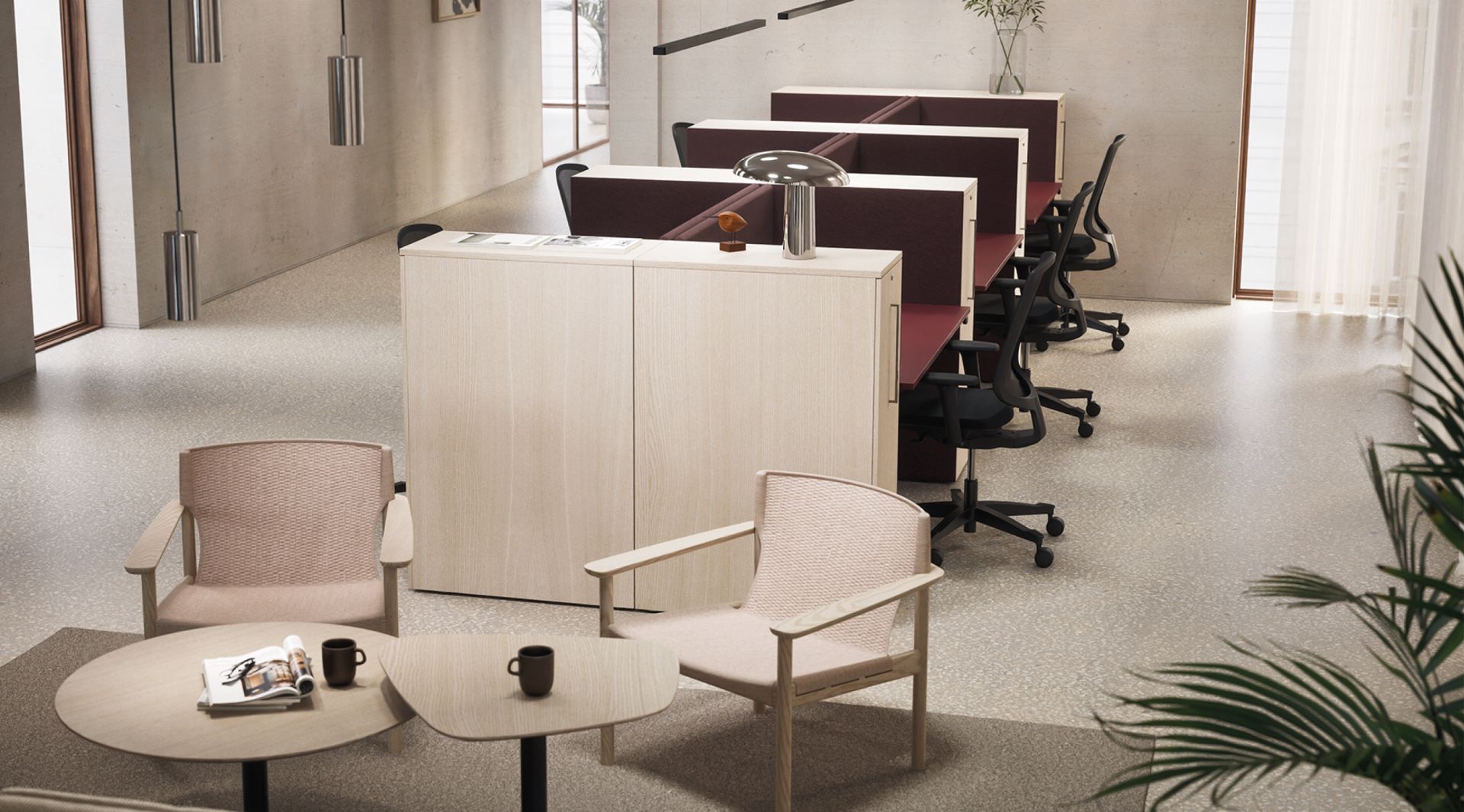
The Bench desk and Yoyo office chair create individual workstations, with the Pulse storage range dividing the space. A smaller lounge area nearby features the Evo lounge chair and Chat café table.
Designing for different experiences
Architecture, interiors and furniture all contribute to the character of a space. Lighting, materials, colour, acoustics and furniture layouts shape how a place feels and how people use it.
An open meeting area with generous seating might encourage informal conversations, while a communal table can bring colleagues together to share ideas or take part in activities. Enveloping shapes, soft materials and subdued acoustics can create a sense of calm and privacy.
Different design approaches can give each area of the office a distinct identity, while a consistent choice of materials and design language provides continuity throughout. This allows the workplace to accommodate a range of activities, with each space serving its own purpose.
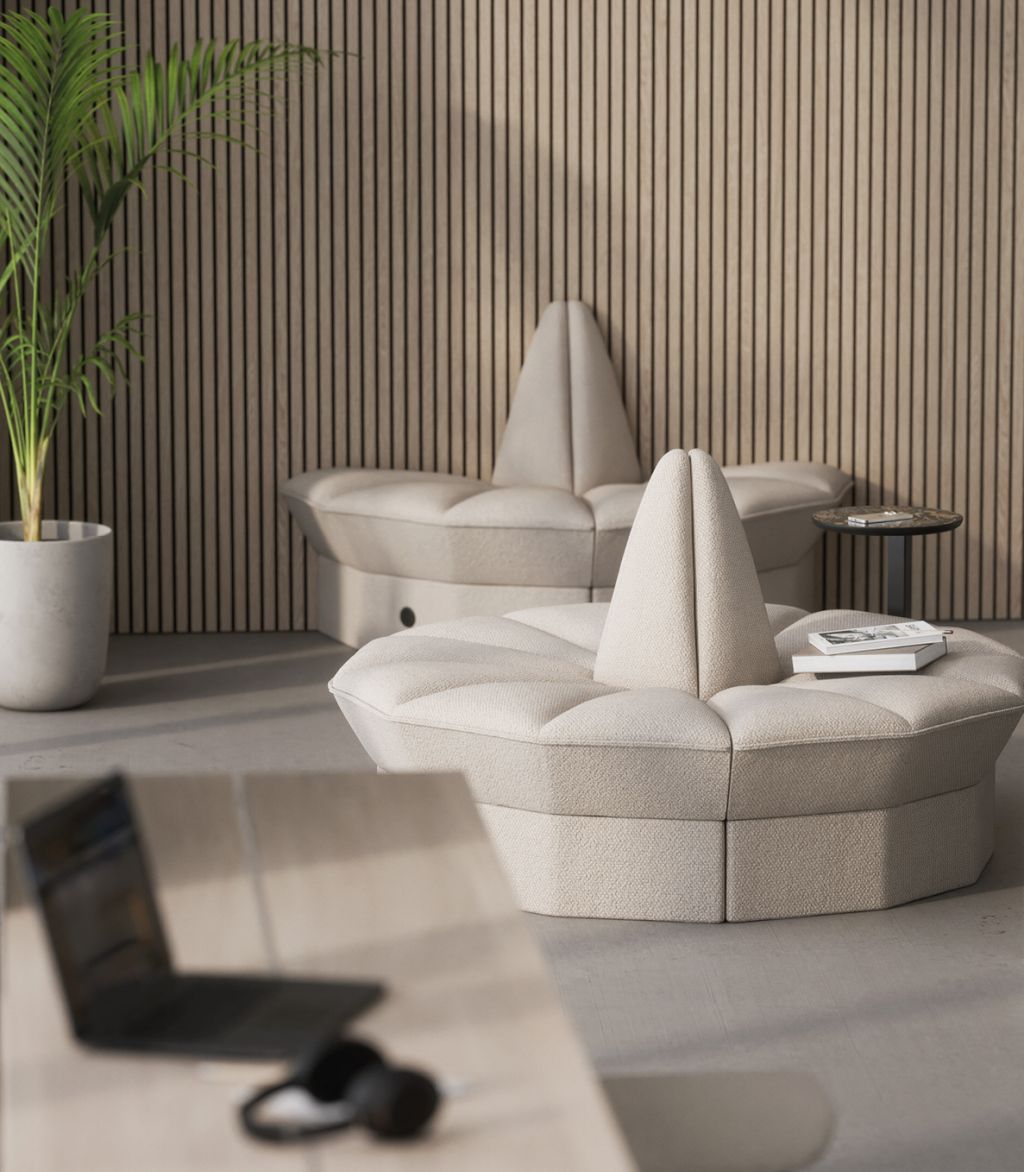
Developed in collaboration with design studio Front, the Ori modular sofa system combines sculptural forms with a high level of seating comfort for both work and relaxation.
Different destinations, all under one roof
Like a thriving city, an office can offer a collection of destinations, each with its own identity, atmosphere and reason to visit.
There might be The Social Club, where colleagues meet and spend time together; The Sanctuary, offering a peaceful setting for focused work; or The Workshop, a place for creativity and collaboration.
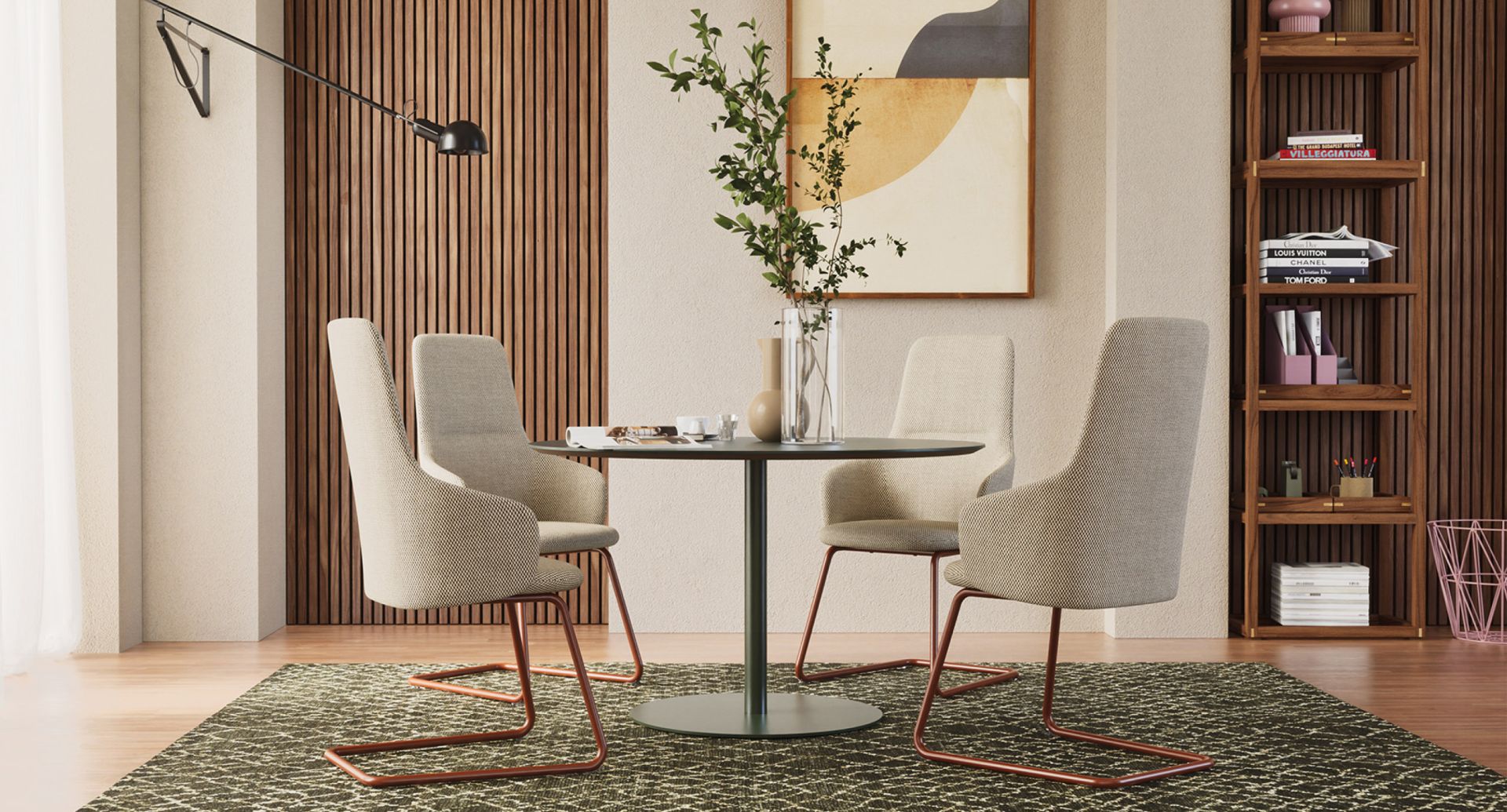
The Reco lounge chair and round Chat table form a small seating area for conversation or individual work in a quieter, more secluded part of the office.
Other spaces might take the form of The Square, a lively hub where people cross paths and informal encounters happen naturally, or The Forum, a setting for discussion, knowledge sharing and new perspectives.
Furniture, materials, lighting and spatial planning can give each destination its own distinctive character while ensuring that the different areas work together as a whole.
Perhaps the future appeal of the office lies in precisely this: the ability to offer a variety of worthwhile experiences in one place, giving people something to look forward to when they come to work.