Can neuroinclusive design make furniture more sustainable over time?
A piece of furniture may be built to last for many years. But how long does it continue to meet the needs of the people using it? New research from 2026 raises interesting questions about how neuroinclusive design could help create workplaces that remain functional for longer, adding another perspective to circular furniture design.
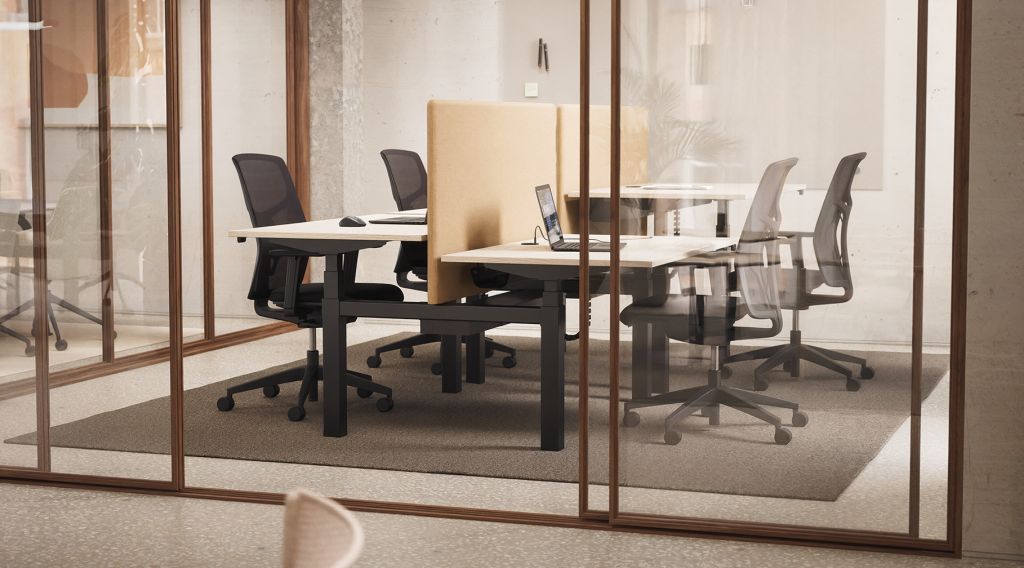
Bench and the Tab screen allow the workstation to be adapted to different needs. The separate room also provides a quieter environment for focused work.
Circular furniture design is about making the most of resources and extending the lifespan of products. Through durable materials, thoughtful construction, repair and reuse, furniture can remain in use for many years. But a piece of furniture can still be in excellent condition and need replacing if it no longer meets the needs of its users.
Researchers use the term functional obsolescence to describe situations where an environment no longer meets the demands placed on it, even though it remains technically functional. So how can we create workplaces that continue to meet people’s needs as the way we work changes?
Can neuroinclusion help extend the useful life of furniture?
In the study Neuroinclusive Workplace Design, Functional Obsolescence and Post-Occupancy Evaluation, presented at the ARCOM Conference 2026, researchers examined how a neuroinclusive office environment performed in practice.
Through surveys and interviews, they explored employees’ experiences of factors including noise, privacy, visual stimuli and the ability to choose where and how to work. The findings showed that several of these needs were relevant to both neurodivergent and neurotypical employees.
The researchers also discuss how greater consideration of people’s different needs could reduce the risk of functional obsolescence. A workplace that accommodates more people and can adapt as their needs change may be better equipped to remain useful over time.
Material choices affect how sound is generated and absorbed. This is particularly important in open-plan workplaces where many people share the same space.
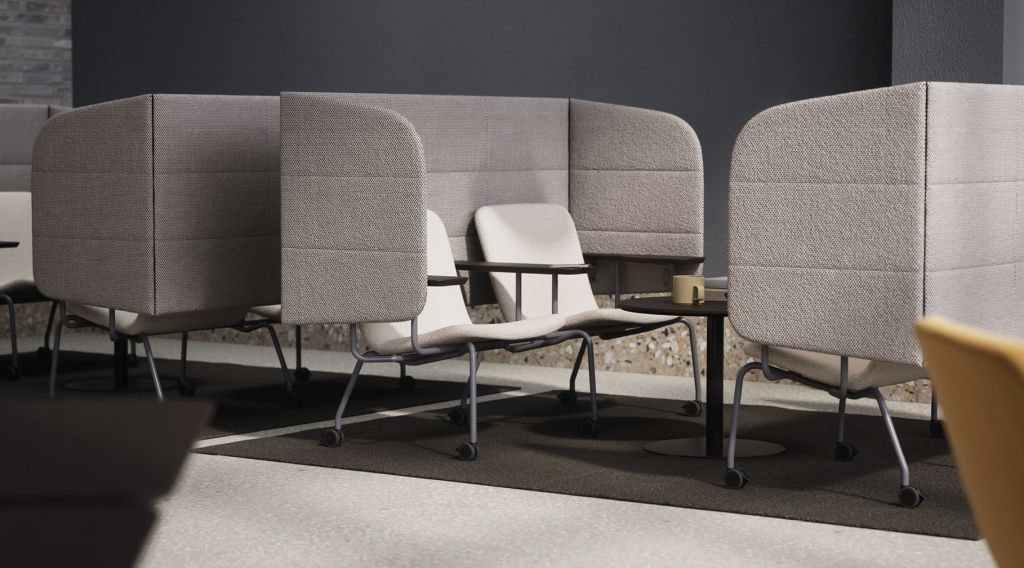
The upholstered Hybe sofa with a screen creates more private seating areas in open environments and helps reduce noise levels.
What does this mean for furniture design?
Designing furniture that can adapt to different people and ways of working is already an important part of modern furniture design. Neuroinclusive design can broaden this perspective by paying closer attention to how people experience and process their surroundings.
This might involve giving people more control over noise and visual stimuli, allowing them to choose their preferred level of privacy or vary their working posture. These needs can differ between individuals, but they can also change depending on the task or situation.
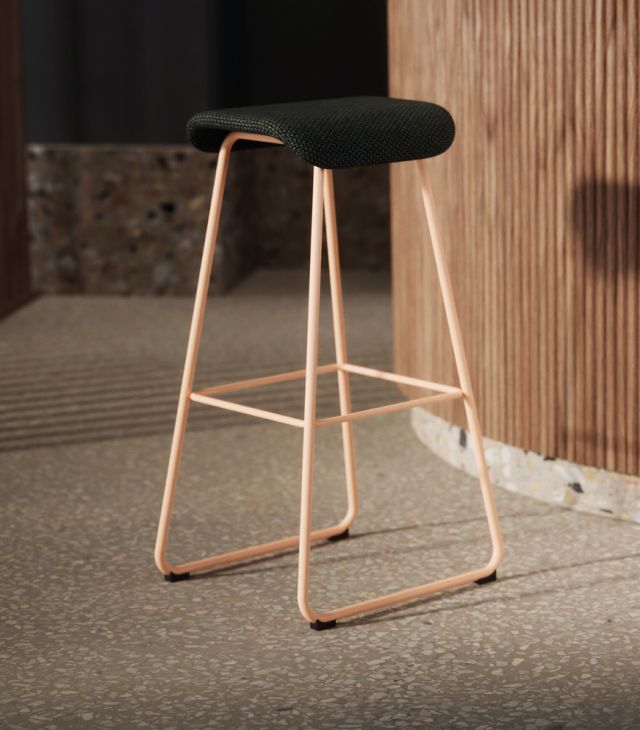
With its curved runners, the Sela stool allows users to vary their sitting position and move even while seated.
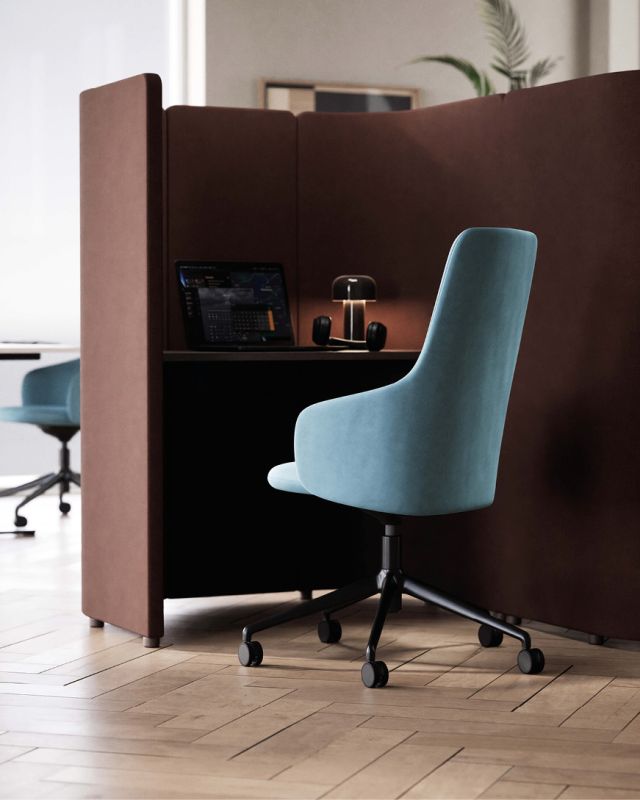
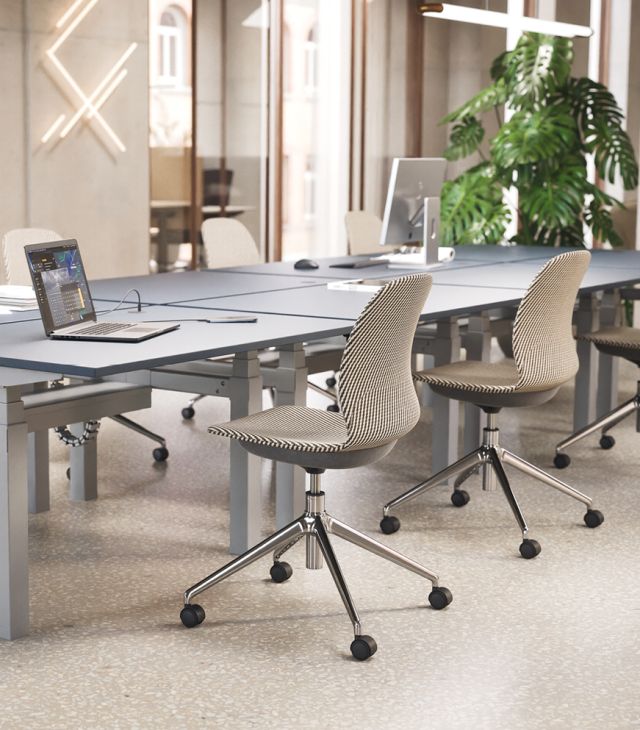
The EFG product range includes several examples of how different needs can be accommodated within the same workplace. Surround creates private spaces for focused work and conversations, while the Hybe sofa offers more enclosed seating in open environments. Height-adjustable workstations such as Bench allow individuals to adjust the working height to suit their needs. The Sela stool, with its curved runners, supports a variety of sitting positions and allows movement while seated.
Learning from how workplaces are used
Another interesting aspect of the study is the importance of evaluating how a workplace performs after it has been occupied. Listening to people’s experiences can reveal needs that may not have been apparent during the planning stage.
The height-adjustable Bench workstation allows individuals to adjust the working height to suit their needs and vary their working posture throughout the day.
These insights can help improve both existing and future workplaces. Sometimes, rearranging furniture, adding screens or making other small adjustments may be enough to accommodate changing needs.
This creates an interesting connection to circular design. The better we understand how people actually use their workplaces, the better equipped we are to make the most of the furniture and interiors already in place.
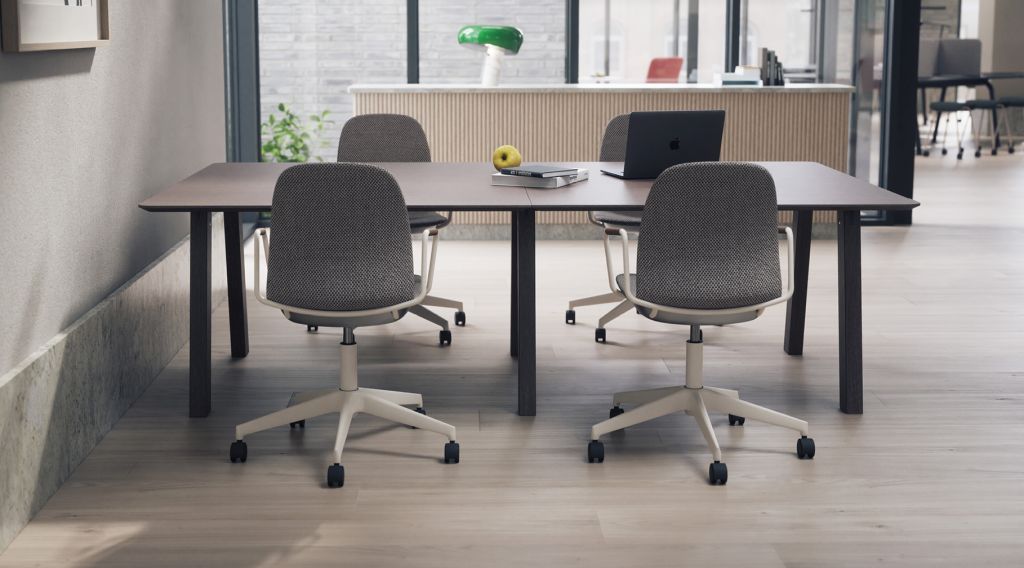
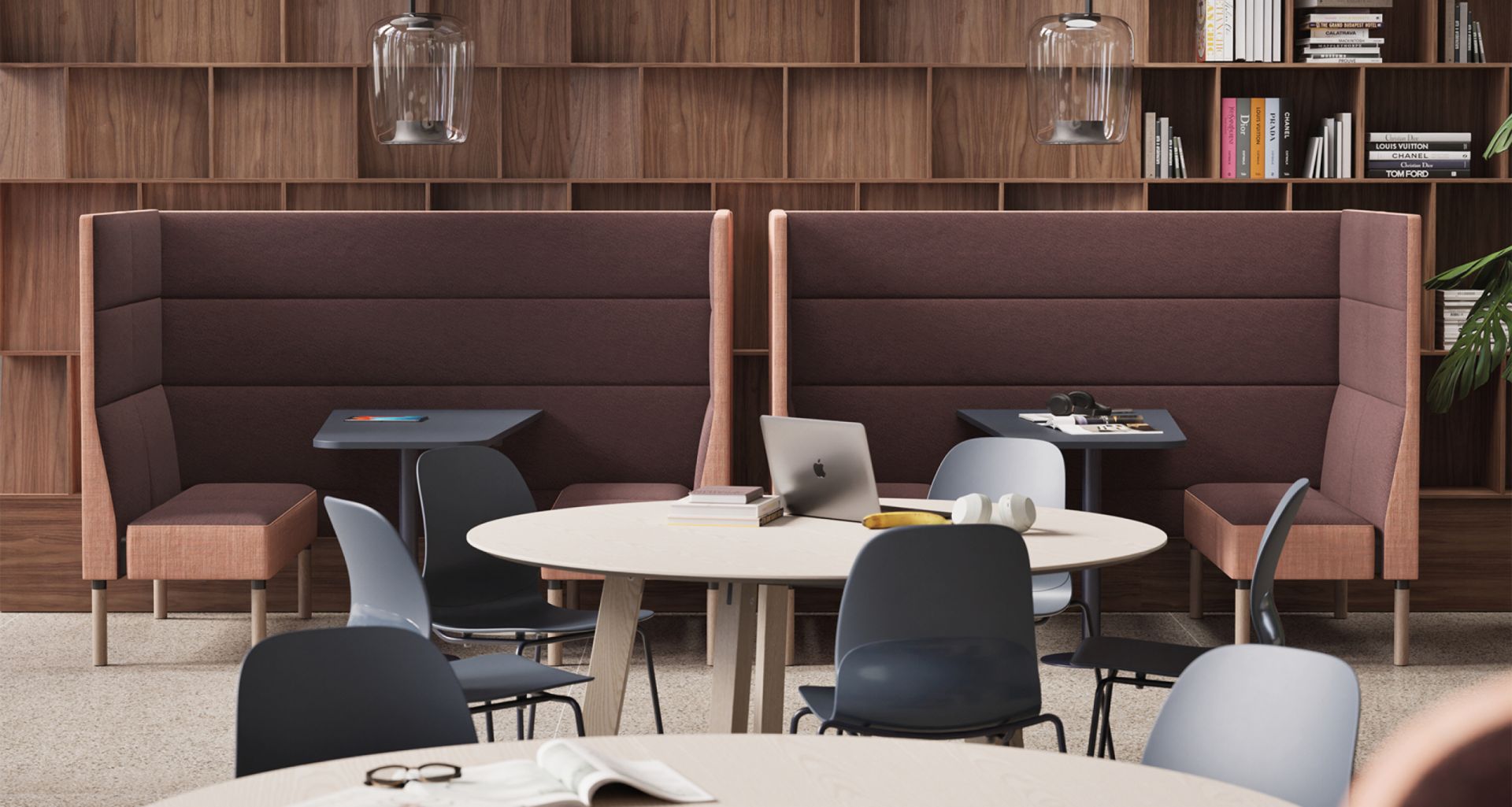
The Continue table and Archie chairs create a flexible meeting environment that can be adapted to different ways of working and individual needs.
Source: Atkins, E., Boyd, P. & Singh, A. (2026). Neuroinclusive Workplace Design, Functional Obsolescence and Post-Occupancy Evaluation. ARCOM Conference 2026. https://ube.repository.guildhe.ac.uk/id/eprint/283/